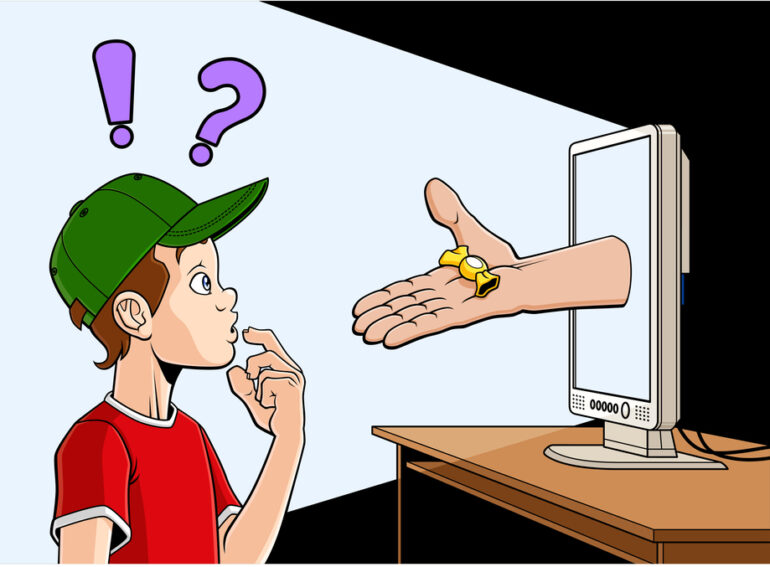
the idea that taking charge of your own information is not a burdensome chore if we take up the role.
Reclaiming your data is less about complex technical hurdles and more about basic digital hygiene. Think of it as moving from a cluttered, open-door studio where anyone can walk in and take notes on your process, to a curated workspace where you decide who gets a backstage pass.
When platforms tell us that privacy is “too hard” to manage, they are often using confusing designs to keep us from noticing how much of our creative energy is being harvested. Essentially, its like asking you to outsource your relationship with your audience to an algorithm. In reality, once you clear away the “digital noise” the apps tracking your location for no reason, the old accounts you no longer use, and the endless “permisssions” we click through without thinking you aren’t just more private; you are more focused.
For the modern creator, this shift is a power move. Your data isn’t just a string of numbers; it is your audience’s trust, your intellectual property, and your professional legacy. Viewing data control as a “hassle” is like a photographer saying it’s too much work to organize their archives or a writer saying it’s too burdensome to own their copyrights.
Most content creators, have found themselves at a different crossroads of this debate. In the creator economy, your data and the data of your community is your brand’s lifeblood. Reclaiming that control isn’t a distraction from the creative process; it’s a protective measure for your intellectual property and your audience’s trust. A creator who understands and controls their data flow is a creator who cannot be de-platformed or “ghost-banned” by a whim of a black-box system.
But as we move toward decentralized storage and more robust regulatory environments, the tools for control are becoming as intuitive as the apps themselves. We are seeing a shift where data sovereignty is becoming a competitive advantage. Companies that offer transparent, easy-to-use data controls are winning the trust of high-value users, while creators who prioritize “zero-party” data are building more resilient, loyal communities.
By taking a few intentional steps to own your digital footprint, you stop being a passenger in someone else’s algorithm and start becoming the architect of your own online home. It turns out that the “burden” of control is actually the lightest path to a secure, creative, and truly independent future.
controlling your own data is an exercise in agency. It is the digital equivalent of knowing who has the keys to your office or who owns the masters to your recordings. It’s time to stop viewing data control as a bureaucratic barrier and start seeing it for what it truly is: the essential infrastructure of a secure and creative future.