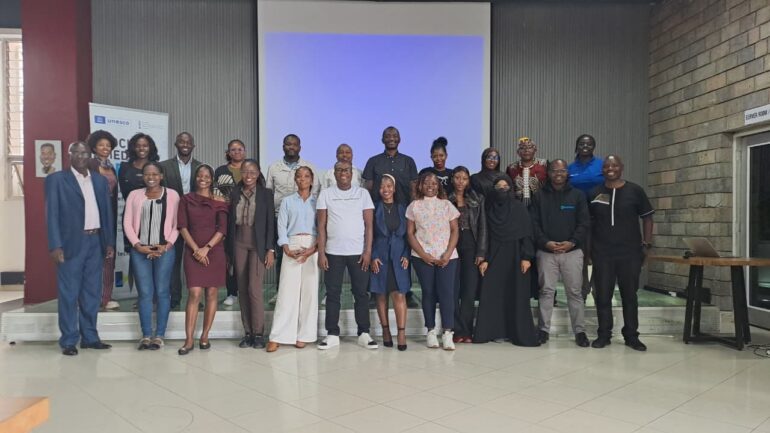
On 25th and 26th of March, BAKE in partnership with UNESCO convened a training on Trusted Voices and Information Integrity, an intensive two-day program that brought together winners and nominees of the 2025 BAKE Awards aimed at strengthening the capacity of creators to navigate today’s complex digital ecosystem.
The training was designed to equip participants with practical, ethical, and legal tools to address the growing challenges of misinformation, disinformation, and AI-generated content. This initiative is supported by UNESCO’s Social Media 4 Peace (SM4P) Programme, which seeks to strengthen the resilience of societies to potentially harmful content spread online, safeguard the freedom of expression and enhance the promotion of peace through digital technologies and social media. As highlighted in the official announcement, the partnership recognizes the growing influence of creators and the urgent need to support them in becoming trusted and responsible digital voices.
Adapted from the global UNESCO and Knight Center course, the training was highly interactive transitioning from foundational concepts to hands-on application. Day one grounded the participants in ethical content creation, explored the function of algorithms and filter bubbles in shaping the information ecosystem, highlighted media and information literacy and covered fact checking and verification through practical tools. The day ended with a deep dive into AI and deepfakes which provided critical insights into identifying manipulated media using real Kenyan case studies.
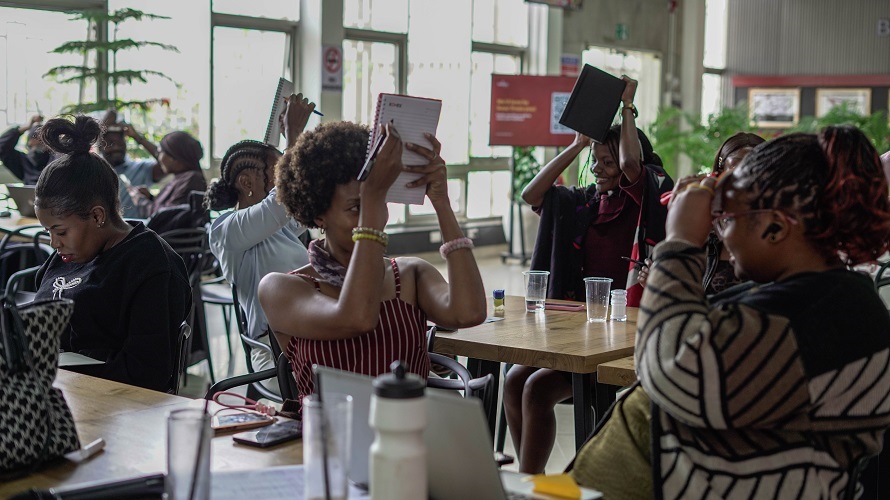
Day two shifted the emphasis from content creation to broader governance and responsible digital practices. Participants engaged with key legal frameworks, including provisions of the Computer Misuse and Cybercrimes Act, and explored how platform policies intersect with national laws. The role of creators in digital peacebuilding was emphasized, particularly during periods of heightened tension such as elections and protests. Through scenario-based discussions and collaborative exercises, participants developed strategies for responsible crisis communication, including de-escalation techniques and content moderation practices.
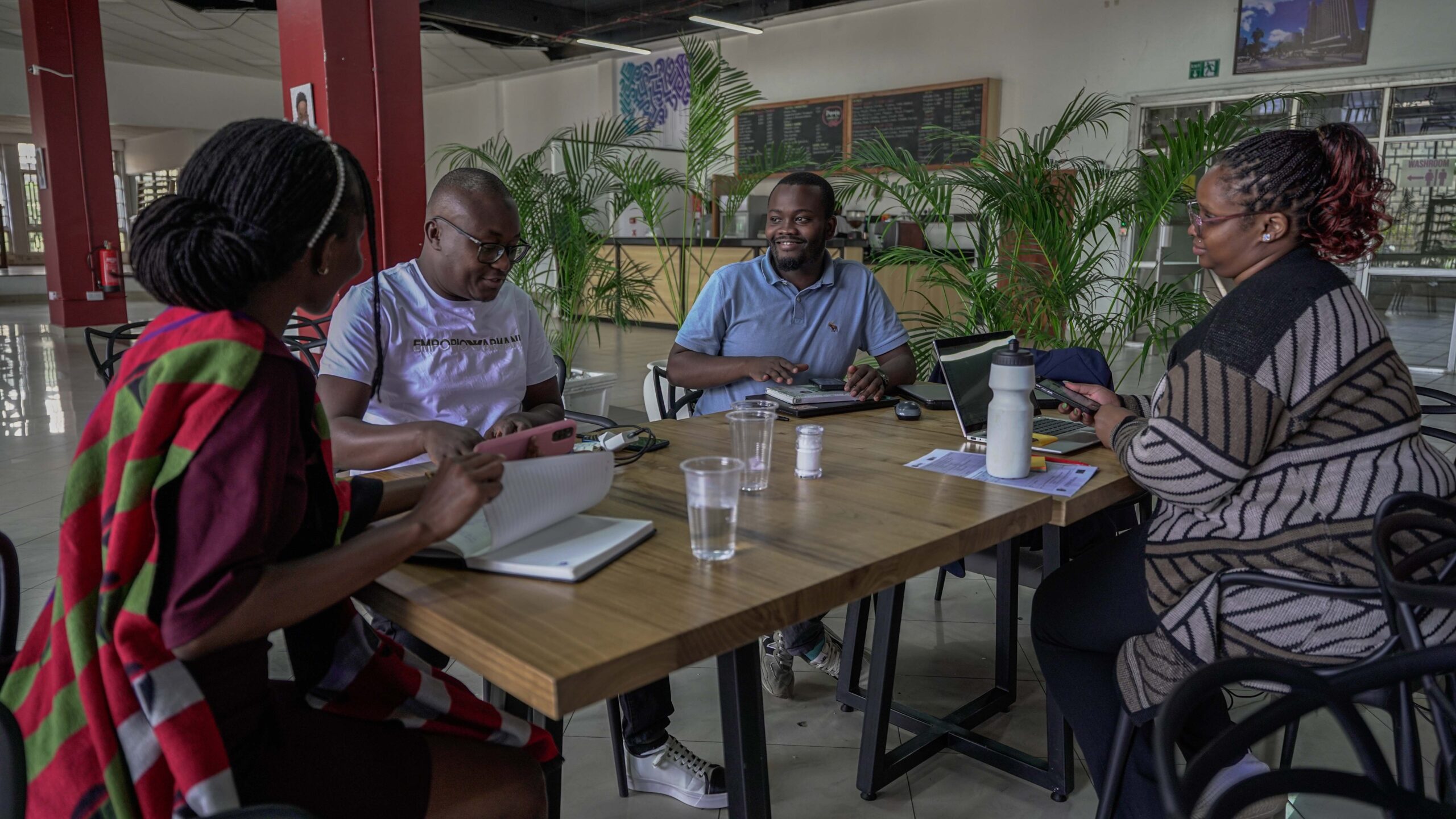
Throughout the training, participants trained on real-life case studies and engaged in integrated lab sessions where they applied verification techniques, ethical considerations, and legal insights in real time. To support continued learning beyond the training, each participant developed a personalized toolkit, including verification workflows, correction policies, and ethical guidelines to guide their content creation moving forward.
By the end of the two days, the training had not only enhanced participants’ technical and ethical competencies but also reinforced their role as informed influential actors in Kenya’s digital space. The initiative marked a significant step in building a community of creators committed to accuracy, accountability, and digital peacebuilding. As the digital landscape continues to evolve, such efforts remain critical in ensuring that content creators are not just amplifiers of information, but trusted voices shaping a more informed and cohesive society.
BAKE spokesperson, Kennedy Kachwanya noted,” The role of content creators is no longer confined to entertainment and storytelling, creators are increasingly becoming custodians of truth and key actors in shaping public discourse and a strong, ethical creator community is the only firewall against the erosion of public trust. This partnership with UNESCO ensures that our creators don’t just win awards for their creativity, but for their commitment to a safer, more truthful internet for all Kenyans.”