When millions of Kenyans moved to digital platforms to debate the Finance Bill in 2024 and 2025, the internet became more than a communication tool. It became a public square where citizens organised, questioned authority, shared information and participated in democratic conversations.
But the same digital spaces that expanded civic participation also exposed new vulnerabilities.
Misinformation spread rapidly. Content creators faced harassment and intimidation. Questions around surveillance, online safety and freedom of expression became central to national conversations. Artificial intelligence introduced new challenges, including deepfakes and increasingly sophisticated forms of manipulation.
Kenya’s digital transformation revealed a difficult reality: access to the internet does not automatically guarantee a safe, inclusive or democratic online environment.
It was within this changing landscape that the Kenya Safe and Inclusive Digital Space (KenSafeSpace) project was implemented.
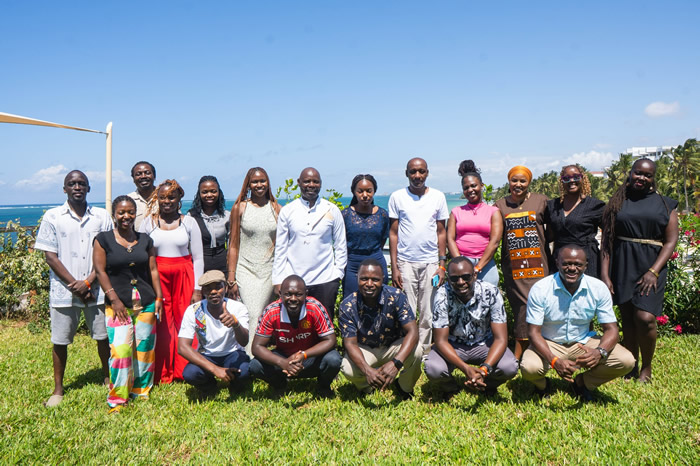
After 30 months of work between April 2024 and July 2026, the project has come to an end, leaving behind a stronger network of digital rights defenders, improved awareness of online safety, evidence-based advocacy and important legal and policy victories that will continue shaping Kenya’s digital future.
A Collective Effort to Protect Kenya’s Digital Space
KenSafeSpace was built on the recognition that digital rights challenges are too complex for one organisation to address alone.
Protecting online freedoms requires collaboration between technology experts, human rights organisations, media actors, youth groups, policymakers, legal practitioners and communities.
Led by Internews, the project brought together a coalition of organisations with diverse expertise and shared commitment to strengthening Kenya’s digital ecosystem.
Internews played a central leadership role by providing strategic guidance, coordination and technical support drawn from its global experience in media development, information integrity and digital rights.
The organisation helped create an environment where Kenyan partners could collaborate, exchange knowledge and develop locally grounded solutions to emerging digital challenges.
The partnership included the Bloggers Association of Kenya (BAKE), KICTANET, Watoto Watch Network, Tribeless Youth, Mzalendo Trust, Internet Without Borders (IWB) and other stakeholders who contributed their unique perspectives and capabilities.
Each partner strengthened a different part of the digital rights ecosystem.
BAKE brought extensive experience working with bloggers, journalists and content creators, as well as its long-standing commitment to freedom of expression and internet rights.
KICTANET contributed deep expertise in technology policy, internet governance and digital inclusion.
Watoto Watch strengthened conversations around child protection and online safety.
Tribeless Youth brought youth-centred approaches and community engagement.
Mzalendo Trust contributed experience in civic accountability and public participation.
Internet Without Borders supported global perspectives on internet freedom, platform accountability and digital rights.
Together, the coalition demonstrated the power of collective action in responding to Kenya’s rapidly evolving digital environment.
Building a New Generation of Digital Defenders
One of the most important achievements of KenSafeSpace was the transformation of digital users from passive participants into active defenders of online safety and democratic values.
Through training, awareness campaigns and community engagement, the project strengthened the ability of creators, journalists, activists and civil society actors to navigate digital risks.
Participants gained deeper understanding of:
- misinformation and disinformation,
- digital security,
- responsible online communication,
- verification and fact-checking,
- online harassment,
- freedom of expression,
- emerging risks linked to artificial intelligence.
The project reinforced an important idea: people who create and share information online are not simply content producers. They are increasingly becoming important actors in shaping public debate and protecting information integrity.
Responding to Kenya’s Unique Digital Challenges
KenSafeSpace highlighted the importance of developing solutions that reflect Kenya’s own digital realities.
While global technology platforms have invested heavily in automated moderation systems, these tools often struggle to understand local contexts.
Kenyan online conversations frequently include Swahili, Sheng, local expressions and coded language that require cultural understanding.
Through research, monitoring and collaboration, the project demonstrated that effective digital safety requires more than automated systems.
It requires local knowledge, community participation and continuous engagement with the people experiencing these challenges.
Strengthening Information Integrity and Public Awareness
At a time when misinformation has become one of the biggest threats to democratic participation, KenSafeSpace focused on strengthening information integrity.
The project supported public conversations around responsible digital citizenship and encouraged users to critically evaluate information before sharing it.
Through campaigns, influencer engagement and public forums, digital rights concepts were translated into accessible conversations that reached wider audiences.
This approach recognised that protecting democracy online requires ordinary internet users to have the skills and awareness necessary to identify harmful narratives and participate responsibly in digital spaces.
Research That Documented Kenya’s Digital Rights Journey
A key contribution of KenSafeSpace was strengthening evidence-based advocacy through research and documentation.
The project supported efforts to better understand Kenya’s digital environment, including trends around:
- internet freedoms,
- surveillance,
- platform governance,
- digital rights violations,
- online harms.
The evidence generated provided civil society organisations, policymakers and media actors with a stronger foundation for advocacy and public discussion.
The research reinforced a critical lesson: digital rights protection requires credible evidence to inform decisions and hold institutions accountable.
The Biggest Success Story: A Landmark Victory for Digital Freedom
Among the most significant achievements associated with the KenSafeSpace project was its contribution to advancing Kenya’s digital rights legal landscape, particularly the long-running challenge against sections of the Computer Misuse and Cybercrimes Act (CMCA), 2018.
For nearly four years, the case had remained stalled at the Court of Appeal, limiting progress on an issue with major implications for journalists, bloggers, content creators and citizens who rely on digital platforms for expression and participation.
A major turning point came through renewed collaboration among digital rights actors, including the forum jointly organised by BAKE and KICTANET under the KenSafeSpace programme.
The forum brought together civil society organisations, technology experts, legal practitioners and digital rights advocates to discuss challenges affecting Kenya’s digital environment.
One of the key recommendations from the discussions was the need to revive stalled digital rights matters and strengthen coordinated advocacy around laws affecting online freedoms.
The renewed engagement helped unlock momentum around the CMCA case, contributing to the eventual progression of the matter at the Court of Appeal.
In March 2026, the Court of Appeal delivered a landmark judgment in favour of BAKE’s strategic litigation, declaring sections of the CMCA unconstitutional.
The decision represented a major victory for freedom of expression in Kenya.
Ending the Misuse of False Publication Offences
The court decision challenged provisions that had raised serious concerns among journalists and digital rights advocates.
Section 22: False Publications
Section 22 criminalised the intentional creation or publication of false, misleading or fictitious data presented as authentic.
Those convicted faced penalties of up to:
- Sh5 million fine,
- two years imprisonment,
- or both.
Critics argued that the provision created opportunities for misuse against legitimate expression and investigative journalism.
Section 23: Publication of False Information
Section 23 criminalised publication of false information considered likely to cause public panic, chaos, violence or reputational harm.
The offence carried severe penalties of:
- up to Sh5 million fine,
- up to 10 years imprisonment,
- or both.
The Court of Appeal decision ended years of uncertainty and removed provisions that had created fear among online users and journalists.
Protecting Internet Access and Digital Participation
The CMCA victory was accompanied by another important legal development.
The High Court struck down provisions introduced through amendments to the CMCA that threatened internet freedom.
The court invalidated Section 6(1)(j)(a), which granted authorities powers to direct internet service providers and digital platforms to disable access to websites and applications.
The court also struck down Section 27(1)(b), which criminalised communication considered “likely” to cause another person to commit suicide.
Together, these victories strengthened constitutional protections for access to information, freedom of expression and participation in Kenya’s digital society.
A Lesson in Collective Advocacy
The CMCA victory demonstrated one of the strongest lessons from KenSafeSpace: meaningful digital rights change requires a combination of dialogue, evidence, advocacy and legal action.
The BAKE-KICTANET forum showed the importance of creating spaces where different actors can identify challenges and develop practical recommendations.
The wider KenSafeSpace coalition, led by Internews, created an environment where these conversations could translate into action.
The success was not the result of one organisation alone. It reflected years of collaboration among digital rights defenders, legal experts, technology communities and civil society organisations.
Lessons for Kenya’s Digital Future
As Kenya prepares for future elections and continues its digital transformation, the lessons from KenSafeSpace remain important.
The project demonstrated that:
Digital security must be supported by legal protection.
Creators and activists need both skills and mechanisms to defend themselves when their rights are threatened.
Influencers are important democratic actors.
Content creators increasingly shape public conversations and must be engaged as partners in building healthier digital spaces.
Local solutions are essential.
Kenya’s digital challenges require approaches that understand local languages, cultures and realities.
Technology governance must continue evolving.
Artificial intelligence, deepfakes and emerging digital threats require new forms of collaboration and accountability.
A Foundation for the Next Chapter
Although KenSafeSpace has reached the end of its formal implementation period, its work continues through the networks, knowledge and partnerships it created.
The project has strengthened Kenya’s digital rights movement and demonstrated what is possible when organisations come together around a shared vision.
The future of Kenya’s internet will depend on whether citizens can participate safely, whether creators can express themselves freely and whether digital platforms can respond responsibly to local realities.
A safe and inclusive internet is not guaranteed.
It must be built, defended and continuously protected.
KenSafeSpace leaves behind an important legacy: a stronger community of digital defenders committed to ensuring that Kenya’s digital future remains open, democratic and inclusive.